




Pursuing a career in medicine requires far more than strong grades. Today, medical schools seek well-rounded applicants who combine academic excellence with compassion, resilience, leadership, and a genuine commitment to improving the lives of others. As competition for places continues to grow, understanding what admissions committees value has become an essential part of preparing a successful application.
Although admission requirements vary between medical schools, the qualities that define outstanding candidates are remarkably consistent. From academic performance and healthcare experience to communication skills and personal character, every aspect of an application contributes to demonstrating readiness for the demands of medical education. This guide explores the key attributes medical schools look for and explains how students can build a competitive profile for universities in the UK, the U.S., and the Caribbean.
Academic Excellence Is the Foundation
Academic achievement remains one of the most important factors in medical school admissions. Universities carefully evaluate an applicant’s overall academic record, particularly their performance in science subjects such as biology, chemistry, physics, and mathematics.
Medical schools in the UK, U.S., and Caribbean all expect applicants to demonstrate that they can handle the demanding nature of medical education. Consistently strong grades, challenging coursework, and evidence of academic improvement over time all contribute to a competitive application.
Admissions Committees also value students who show intellectual curiosity and a willingness to challenge themselves through advanced classes or additional academic opportunities.
Entrance Exams Vary by Country
Standardized admissions tests are an important part of the selection process, although the specific exam depends on where you apply.
Applicants to medical schools in the United States are generally required to take the Medical College Admission Test (MCAT), which assesses scientific knowledge, critical thinking, and problem-solving skills.
Students applying to medical schools in the United Kingdom commonly take the University Clinical Aptitude Test (UCAT), which evaluates cognitive abilities, situational judgment, and decision-making skills.
Many Caribbean medical schools also consider MCAT scores, while others place greater emphasis on academic performance, interviews, and the overall strength of the applicant’s profile. Because admission policies differ between institutions, students should always review the specific requirements of each medical school before applying.
Regardless of the examination required, thorough preparation is essential to achieving a competitive score.

Clinical Experience Demonstrates Commitment
Medical schools want applicants who understand what a career in medicine involves. Clinical experience allows students to observe healthcare professionals, interact with patients, and gain valuable insight into the realities of medical practice.
Shadowing physicians, volunteering in hospitals, working in clinics, assisting in nursing homes, or participating in community healthcare initiatives all demonstrate genuine interest in the profession.
Although expectations vary between UK, U.S., and Caribbean medical schools, meaningful healthcare exposure is widely considered an important component of a strong application. Admissions committees often value long-term commitment and thoughtful reflection more than simply accumulating a large number of hours.
Community Service Reflects Compassion
Medicine is built on serving others, making volunteer work an important aspect of many successful medical school applications.
Applicants who consistently contribute to their communities demonstrate empathy, responsibility, and a commitment to improving the lives of others. Volunteer activities do not have to be healthcare-related. Supporting charities, mentoring younger students, participating in community outreach programs, or working with vulnerable populations can all strengthen an application.
Admissions officers often look for sustained involvement rather than short-term participation in numerous activities.
Research Experience Can Strengthen Your Profile
Research experience is not mandatory for every medical school, but it can significantly enhance an application.
Many U.S. medical schools, particularly research-intensive institutions, place considerable value on laboratory or clinical research experience. In the UK and Caribbean, research is also viewed positively, although many universities place equal emphasis on academic achievement, motivation, and clinical experience.
Participating in research demonstrates analytical thinking, scientific curiosity, and an understanding of evidence-based medicine. Students who contribute to publications or conference presentations may further distinguish themselves during the admissions process.
Leadership and Teamwork Matter
Doctors regularly lead multidisciplinary teams, make critical decisions, and collaborate with colleagues across healthcare settings. As a result, leadership experience is highly valued by medical schools.
Leadership can be demonstrated through student organizations, sports teams, volunteer initiatives, academic societies, or community projects. Applicants who take initiative, organize activities, mentor peers, or manage responsibilities effectively often stand out.
Equally important is the ability to work collaboratively. Medicine is a team-based profession, and admissions committees seek applicants who communicate effectively and contribute positively to group environments.
Communication Skills Are Essential for Future Doctors
Excellent communication is fundamental to patient care. Physicians must explain complex medical information, build trust with patients, collaborate with colleagues, and make informed decisions under pressure.
Medical schools assess communication skills throughout the admissions process, particularly through personal statements and interviews. Applicants who express themselves clearly, demonstrate empathy, and actively listen to others often perform more successfully during admissions assessments.
Strong communication also reflects professionalism and emotional intelligence—qualities that are essential throughout a medical career.
Personal Qualities Medical Schools Value
Outstanding grades alone do not guarantee admission. Medical schools seek applicants who possess the personal characteristics needed to become compassionate and competent physicians.
Among the most valued qualities are integrity, resilience, professionalism, empathy, adaptability, ethical judgment, and emotional maturity. Medical education is demanding, and admissions committees want students who can manage challenges while maintaining high professional standards.
These qualities are often demonstrated through extracurricular activities, work experience, recommendation letters, interviews, and personal reflections included in the application.
Your Personal Statement Should Tell Your Story
The personal statement gives applicants an opportunity to explain why they want to study medicine and what experiences have prepared them for the journey ahead.
Rather than simply listing achievements, a compelling personal statement connects academic interests, healthcare experiences, volunteer work, and career goals into a coherent narrative. Authenticity is essential, as admissions officers review thousands of applications each year and can quickly recognize generic responses.
Whether applying to medical schools in the UK, U.S., or Caribbean, a thoughtful and well-structured personal statement can significantly strengthen an application.
Strong Letters of Recommendation Build Credibility
Letters of recommendation provide admissions committees with independent evaluations of an applicant’s academic abilities, work ethic, professionalism, and character.
The strongest letters come from professors, physicians, research supervisors, or mentors who know the applicant well and can provide specific examples of their strengths. Personalized recommendations carry considerably more weight than generic endorsements.
Students should build meaningful relationships with potential referees well before the application cycle begins.
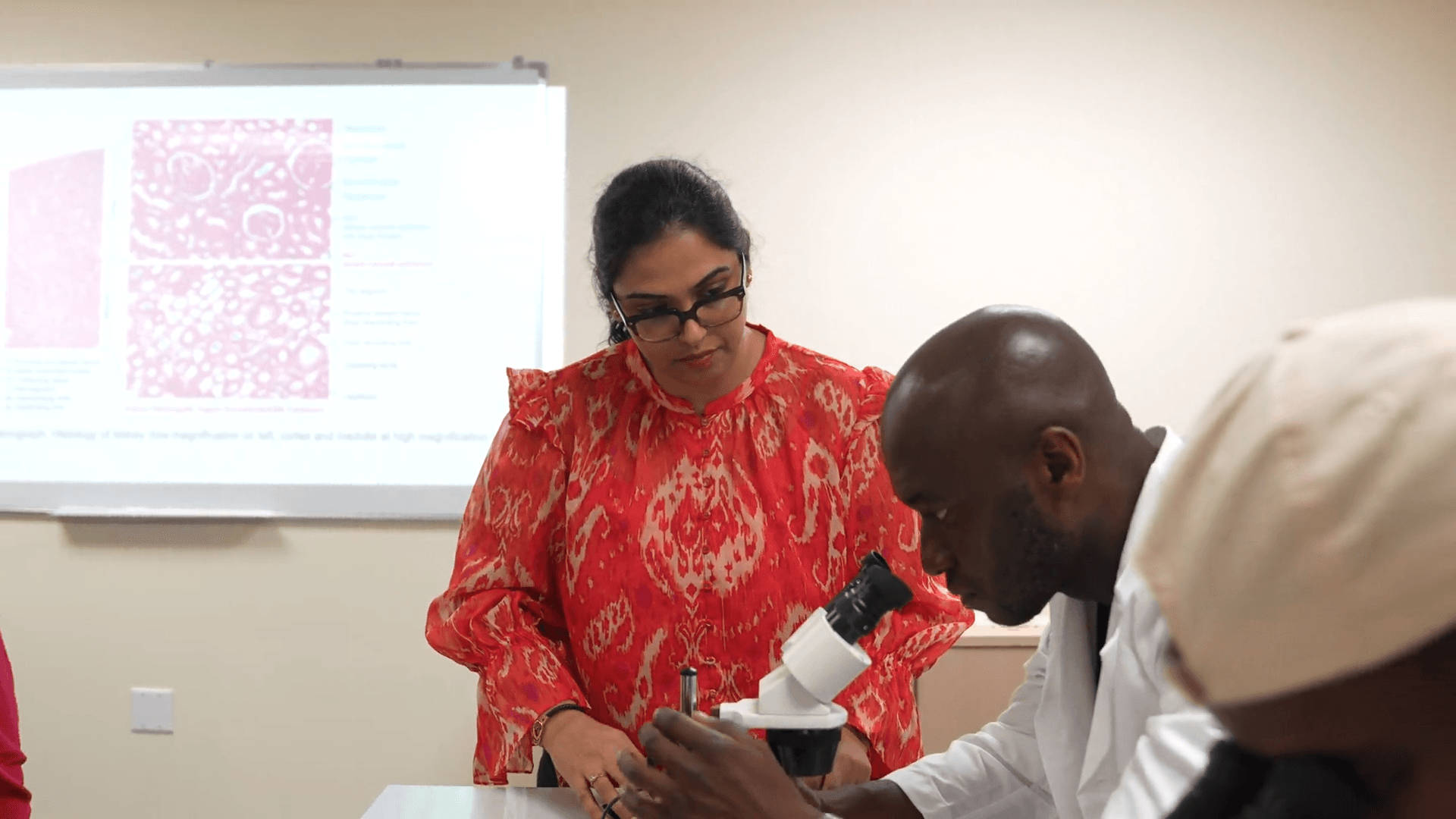
Interviews Can Make the Difference
An interview invitation indicates that an applicant has already demonstrated strong academic and personal qualifications. The interview allows admissions committees to evaluate qualities that cannot be fully measured on paper.
Applicants should be prepared to discuss their motivation for studying medicine, healthcare experiences, ethical scenarios, teamwork, and problem-solving abilities.
Many UK medical schools use Multiple Mini Interviews (MMIs), while this interview format has also become increasingly common among U.S. and Caribbean medical schools. Regardless of the format, successful applicants demonstrate confidence, professionalism, empathy, and thoughtful communication.
Preparing a Competitive Medical School Application
Building a successful medical school application requires planning, consistency, and genuine commitment over several years. Students who focus on academic excellence while gaining meaningful healthcare experience, serving their communities, developing leadership skills, and preparing thoroughly for admissions tests place themselves in the strongest position for success.
At New Anglia University, students have access to internationally focused academic pathways that help prepare them for future opportunities in higher education. Developing a balanced profile that combines strong academics with practical experience and personal growth can significantly improve competitiveness when applying to medical schools around the world.
Every applicant follows a different path, but the most successful candidates consistently demonstrate intellectual ability, compassion, resilience, professionalism, and a genuine desire to improve the lives of others. New Anglia University supports students as they build these qualities, helping them establish a strong foundation for future medical school applications and long-term success in healthcare.
Frequently Asked Questions
1. What do medical schools look for in applicants?
Medical schools evaluate applicants holistically, considering academic performance, entrance exam scores, clinical experience, volunteer work, leadership, communication skills, recommendation letters, personal statements, and personal qualities such as empathy, resilience, and professionalism.
2. Do admission requirements differ between UK, US, and Caribbean medical schools?
Yes. US medical schools typically require the MCAT, while UK medical schools commonly require the UCAT. Caribbean medical schools have varying admissions criteria, with some requiring the MCAT and others placing greater emphasis on academic achievement and holistic review. However, all three regions value strong academics, healthcare experience, and a demonstrated commitment to medicine.
3. How important is clinical experience for medical school applications?
Clinical experience is highly valued because it demonstrates that applicants understand the realities of working in healthcare. Shadowing doctors, volunteering in hospitals, and gaining patient-facing experience can strengthen applications across UK, US, and Caribbean medical schools.
4. Is research experience required for medical school?
Research is not always required, but it can strengthen an application, particularly for research-focused medical schools in the United States. It also demonstrates critical thinking, scientific curiosity, and familiarity with evidence-based medicine.
5. How can I make my medical school application more competitive?
Applicants can improve their competitiveness by maintaining strong academic performance, preparing thoroughly for entrance exams, gaining meaningful clinical experience, volunteering consistently, developing leadership skills, writing a compelling personal statement, securing strong recommendation letters, and performing well during interviews.