



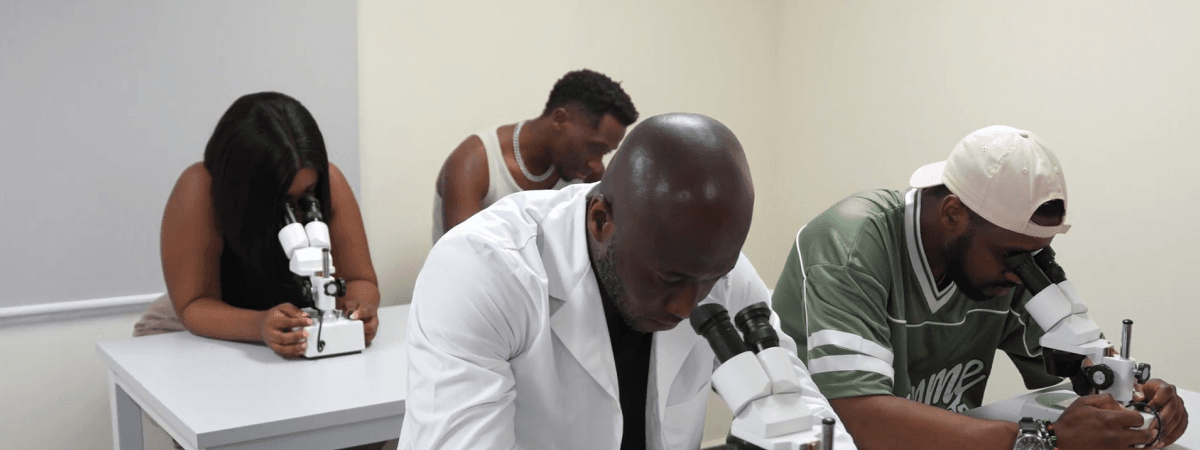
Studying medicine abroad can open the door to high-quality education, broader clinical experience, and a more international perspective on healthcare. It can also provide an alternative route for students who face intense competition for medical school places in their home country.
However, choosing an overseas medical program is a major academic, financial, and professional decision. A medical degree may take several years to complete, and the university you select can affect where you are eligible to complete residency training, obtain a medical license, and practice after graduation.
Prospective students should therefore look beyond attractive campuses, tuition figures, or simplified claims about international recognition. Accreditation, teaching quality, clinical training, licensing requirements, costs, and graduate outcomes all deserve careful attention.
Why Students Choose to Study Medicine Abroad
Students pursue medical education overseas for many reasons. Some are looking for additional admission opportunities, while others want to study in English, experience a different healthcare system, or gain access to an internationally focused curriculum.
Studying abroad can also help students develop independence, cultural awareness, adaptability, and stronger communication skills. These qualities are particularly valuable in medicine, where physicians increasingly work with diverse patient populations and multidisciplinary teams.
That said, international study is not automatically the right choice for every applicant. The value of a program depends on its academic standards, clinical partnerships, regulatory recognition, and suitability for the student’s long-term goals.
Accreditation and Degree Recognition
Accreditation should be one of the first factors investigated when considering a medical degree abroad.
A university may be legally authorized to operate in its home country, but this does not necessarily mean its medical degree will be accepted everywhere. Recognition rules vary between countries, licensing bodies, residency programs, and healthcare systems.
Students should confirm that the institution is recognized by the appropriate national authorities and that its graduates are eligible to pursue licensing in the countries where they may eventually want to work. They should also examine whether the school appears in relevant international medical education directories and whether any additional restrictions apply to foreign-trained graduates.
This research should be completed before enrollment, not shortly before graduation.
Comparing Medical Schools in the UK, US, and Caribbean
The UK, US, and Caribbean are among the most commonly considered destinations for students exploring medical education abroad, but the structure and expectations of medical training differ significantly across these regions.
In the UK, students can often enter medical school directly after completing secondary education or an equivalent qualification. Programs typically combine academic study with clinical placements in hospitals and community settings. Admission is highly competitive, and applicants may need strong academic results, an admissions test, interviews, and evidence of relevant experience. International students should also consider tuition costs and the process for postgraduate medical training in the UK.
In the US, medicine is generally studied as a graduate-entry degree. Students usually complete a bachelor’s degree and the required premedical coursework before applying to medical school. The admissions process may include the Medical College Admission Test, academic references, interviews, and a detailed application history. US medical schools can offer extensive research and clinical opportunities, but the overall cost is often high, particularly for international applicants, and some institutions accept few or no students from outside the country.
Caribbean medical schools can offer another route, especially for students seeking programs designed around preparation for US-style licensing examinations and clinical rotations. However, quality and outcomes vary considerably across the region. Prospective students should closely review accreditation, attrition rates, licensing exam performance, residency placement results, and the locations where clinical rotations are completed.
None of these regions is automatically superior. The best option depends on the student’s academic background, financial resources, preferred training structure, and intended country of practice.
Curriculum and Teaching Style
Medical curricula vary widely, even among universities in the same country.
Some programs follow a traditional model, beginning with several years of classroom-based science before moving into clinical training. Others use an integrated curriculum that introduces patient cases and clinical skills from the first year. Problem-based learning, simulation, small-group teaching, laboratory work, and early patient contact may also form part of the educational experience.
Students should review the structure of the entire degree rather than focusing only on the first year. It is important to understand how anatomy, physiology, pathology, pharmacology, communication skills, and clinical decision-making are taught and assessed.
A strong curriculum should help students connect scientific knowledge with real patient care while gradually developing professional confidence and clinical responsibility.
Quality of Clinical Training
Clinical training is central to medical education. It is where students learn to apply theory, communicate with patients, work within healthcare teams, and make reasoned clinical judgments.
Before choosing a program, applicants should investigate where placements take place, which hospitals and clinics are affiliated with the university, and whether students receive consistent supervision. The range of specialties available and the diversity of patients encountered can also influence the quality of the learning experience.
This is particularly important when considering programs that arrange clinical rotations in a different country from the main academic campus. Students should understand how placements are allocated, whether travel or relocation is required, and who is responsible for maintaining educational standards at each clinical site.
Licensing and Residency Pathways
A medical degree is only one step toward becoming a practicing physician.
Graduates may also need to pass licensing examinations, complete internships, obtain credential verification, and secure a place in residency or postgraduate training. These requirements differ across the UK, US, Canada, Europe, the Caribbean, and other regions.
A student planning to work in the US, for example, should research the pathway for international medical graduates and examine how the curriculum prepares students for the relevant examinations and residency application process. A student interested in the UK should understand the requirements for professional registration and postgraduate training there.
Because regulations can change, students should consult the relevant medical regulator and licensing authority directly rather than relying only on information provided by recruitment agencies or university marketing materials.

Tuition and the Full Cost of Attendance
Tuition fees are an important consideration, but they are only part of the total cost of studying medicine abroad.
Students may also need to pay for accommodation, insurance, visas, transportation, examination fees, textbooks, clinical equipment, flights, and relocation during clinical rotations. Exchange-rate changes can also increase costs over the course of a long degree.
US medical education is often expensive, while international fees at UK institutions can also be substantial. Caribbean programs may initially appear more affordable, but additional costs for clinical rotations, travel, housing, or examination preparation should be included in the calculation.
A realistic financial plan should cover the full duration of the program and should not depend on uncertain scholarships, part-time employment, or future loans that have not yet been approved.
Language and Communication
Many international medical programs are taught in English, but the language used in lectures may not be the same language spoken by patients during clinical placements.
Students should determine whether they will need to learn the local language and what level of proficiency is expected before entering hospitals. Even when interpreters are available, direct communication is essential for taking medical histories, explaining procedures, and building trust with patients.
Studying in an English-language program can reduce some academic barriers, but effective clinical communication requires more than classroom fluency.
Student Support and Well-Being
Medical school is academically demanding, and studying abroad introduces additional challenges. Students may need to manage homesickness, cultural adjustment, visa matters, housing concerns, and financial pressure while completing an intensive course.
Universities should provide accessible academic advising, mental health support, career guidance, and assistance for international students. Students should also look for evidence of a supportive learning culture rather than focusing only on facilities or promotional materials.
Speaking with current students and recent graduates can provide a more realistic view of workload, teaching quality, administration, and student life.
Admissions Requirements
Admissions criteria differ substantially between institutions and countries.
UK medical schools may require specific school-level qualifications, admissions testing, interviews, and relevant experience. US schools generally expect a previous degree, science prerequisites, and a competitive application profile. Caribbean schools may offer different entry routes, but applicants should not assume that more flexible admission standards will make the course itself less demanding.
Students should assess whether they are academically prepared for the program, not simply whether they are likely to receive an offer.
Graduate Outcomes and Transparency
Graduate outcomes can reveal important information about the quality and effectiveness of a medical program.
Applicants should look for clear data on graduation rates, licensing exam performance, residency placements, and the countries where graduates go on to practice. The way these figures are presented also matters. Selective statistics may not show how many students originally enrolled, how many completed the program, or how many were eligible to sit an examination.
A transparent university should be willing to explain its outcomes in context and provide students with clear information about the academic and professional pathways associated with its programs.
At New Anglia University, prospective students are encouraged to approach the decision with the same level of care expected of any future medical professional. Understanding the curriculum, clinical training structure, admissions requirements, student support services, and possible licensing routes is an essential part of determining whether studying medicine abroad aligns with an applicant’s long-term goals.
Campus Location and Daily Life
The location of a medical school can affect both well-being and academic performance.
Students should think about personal safety, transportation, accommodation, climate, healthcare access, and the general cost of living. They should also consider whether they would feel comfortable living in the country for several years.
A destination that appears attractive during a short visit may feel very different during a demanding academic term. Practical considerations such as travel connections, housing availability, and visa renewal processes can have a significant impact on the overall experience.
Making an Informed Choice
Choosing a medical program abroad should involve a detailed assessment of academic quality, accreditation, clinical education, costs, student support, and career pathways.
Rankings may provide some context, but they do not always reflect the factors most relevant to international medical students. Reputation alone cannot determine whether a program is financially realistic, academically appropriate, or compatible with a student’s intended licensing destination.
Prospective students should compare written university information with guidance from licensing bodies, regulators, current students, and graduates. They should also be cautious of guaranteed claims about residency placement, licensing, or future employment.

Final Thoughts
Studying medicine abroad can be a rewarding route for students who research their options thoroughly and plan with a clear professional goal.
Medical programs in the UK, US, Caribbean, and other regions offer different approaches to admissions, teaching, clinical training, and postgraduate progression. The right path will depend on where the student wants to practice, how much they can realistically afford, and which academic environment best supports their development.
A medical degree is a long-term commitment. Taking the time to verify accreditation, understand licensing requirements, assess clinical training, and evaluate graduate outcomes can help students avoid costly mistakes and choose a program that supports their future in medicine.
Frequently Asked Questions
Is studying medicine abroad a good option?
It can be a good option for students who choose a properly recognized university and understand the licensing requirements of the country where they intend to practice. The quality and structure of the program, not simply its location, should guide the decision.
Is it better to study medicine in the UK, US, or Caribbean?
There is no single best destination. UK programs often allow direct entry after secondary education, US programs usually require a previous degree, and Caribbean schools may provide alternative pathways linked to US medical training. Each option has different costs, admissions criteria, and licensing implications.
Can international medical graduates practice in the US?
International medical graduates may be eligible to practice in the US, but they must satisfy certification, examination, residency, and state licensing requirements. Students should confirm that their chosen program meets the relevant eligibility requirements before enrolling.
What should I check before applying to a Caribbean medical school?
Applicants should investigate accreditation, student attrition, licensing exam results, residency placement rates, clinical rotation locations, tuition, and eligibility for licensing in their intended jurisdiction.
How can I confirm that an overseas medical degree will be recognized?
Students should contact the medical regulator or licensing authority in the country where they want to practice. University information can provide useful guidance, but the relevant official regulatory body should be treated as the final authority.