





Preparing for medical school is about far more than meeting admission requirements. While grades, prerequisite courses, and entrance examinations play an important role in the application process, they represent only the starting point of a much longer academic journey. Once enrolled, medical students are expected to absorb large amounts of information, apply scientific knowledge to clinical scenarios, think critically, and continually build upon what they have already learned.
Academic readiness reflects a student’s ability to meet these demands. It combines subject knowledge with effective study habits, intellectual curiosity, time management, and resilience. Regardless of where students choose to study, these qualities are fundamental to success.
For prospective students researching medical education through New Anglia University, understanding academic readiness provides a clearer picture of what medical school requires beyond admission. It also highlights the skills that can be developed before the first day of class.
What Does Academic Readiness Mean?
Academic readiness is the ability to successfully engage with the pace, complexity, and expectations of a medical curriculum. It is not defined by a single examination score or grade point average. Instead, it reflects whether a student has developed the knowledge and learning strategies needed to study medicine effectively.
Medical education differs from many other university programs because learning is cumulative. Topics introduced early in the curriculum continue to appear throughout later stages of study. Students are expected to connect anatomy with physiology, physiology with pathology, pathology with pharmacology, and eventually apply all of these subjects to patient care.
This means that understanding concepts is far more valuable than memorizing isolated facts. Students who develop a strong academic foundation before medical school often find it easier to adapt to increasingly complex material.
Building a Strong Scientific Foundation
Medicine is rooted in the sciences, making biology, chemistry, physics, and mathematics essential areas of preparation. These subjects provide the framework for understanding how the human body functions, why disease develops, and how treatments work.
Students do not need to study advanced medical textbooks before starting medical school. Instead, they should focus on mastering the fundamental principles that support later learning. A clear understanding of cellular biology, human physiology, biochemistry, and basic statistics makes it easier to interpret new concepts as the curriculum progresses.
Equally important is the ability to connect these disciplines. Rather than viewing each science as a separate subject, students should begin thinking about how biological systems interact. This integrated approach mirrors the way medicine is taught in many modern medical schools.
Developing Effective Study Habits
One of the biggest adjustments for new medical students is the volume of information they are expected to learn. Traditional revision methods that rely on rereading notes or highlighting textbooks often become ineffective once the workload increases.
Students who perform well in medical school typically use active learning strategies. Testing knowledge regularly, reviewing material over time, and applying concepts through practice questions help strengthen long-term retention. Explaining concepts in simple language is another useful way to identify areas that require further study.
Consistency is equally important. Medical education rewards students who study regularly rather than those who rely on intensive revision immediately before examinations. Developing productive study routines before beginning medical school can make the transition considerably smoother.

Critical Thinking and Clinical Reasoning
Medicine requires more than remembering information. Students must learn how to analyze evidence, identify patterns, and make informed decisions based on available information.
Clinical reasoning develops gradually throughout medical education, but its foundations can be established much earlier. Reading scientific articles, evaluating research findings, and working through clinical scenarios all encourage students to think beyond memorization.
Rather than asking simply, “What is the correct answer?”, medical students are often expected to consider several possibilities, evaluate supporting evidence, and explain why one conclusion is more likely than another. This ability becomes increasingly important during clinical training, where patient presentations are rarely straightforward.
Time Management and Independent Learning
Medical school demands a high degree of personal responsibility. Lectures, laboratory sessions, tutorials, assignments, and examinations often occur simultaneously, leaving little room for poor organization.
Effective time management allows students to balance these commitments while maintaining consistent progress. Breaking larger tasks into manageable sections, planning regular review sessions, and establishing realistic routines can reduce unnecessary stress.
Independent learning is equally important. Students are expected to identify gaps in their knowledge, locate reliable academic resources, and take responsibility for their own progress. These habits are valuable regardless of the teaching style used within a medical program.
Understanding Medical Education Around the World
Although medical education follows the same scientific principles internationally, the route into medicine varies between countries.
In the United States, medicine is generally studied as a graduate degree following the completion of a bachelor’s program. Students are usually expected to complete prerequisite science courses and, in many cases, take the MCAT before admission.
In the United Kingdom, many medical schools admit students directly from secondary education or equivalent qualifications, although graduate-entry pathways also exist. As a result, students begin professional medical training earlier and are expected to develop independent learning skills from the beginning of the course.
Caribbean medical schools often attract international students and commonly follow a curriculum influenced by the US model. Many programs combine basic science education with clinical rotations completed in affiliated hospitals in different countries. Students considering this pathway should pay close attention to accreditation, licensing requirements, and clinical training opportunities.
For students exploring international medical education through New Anglia University, understanding these different educational structures can help place admission requirements and academic expectations into context. Regardless of location, successful medical students share the same core academic skills and learning habits.
Communication and Evidence-Based Learning
Medicine is a collaborative profession, making communication an essential part of academic readiness. Students must be able to explain scientific concepts clearly, participate in discussions, present clinical information, and work effectively within teams.
At the same time, modern medicine is built upon evidence. Medical students are expected to read scientific literature, evaluate research quality, and distinguish reliable evidence from unsupported claims. Becoming familiar with scientific papers and developing basic research literacy before medical school can make these expectations less intimidating.
These communication and analytical skills become increasingly important throughout both academic study and clinical practice.
Adapting to Different Learning Environments
Every medical school has its own approach to teaching, and understanding these differences is an important part of academic readiness. While the scientific foundations of medicine remain consistent, the way students are expected to learn can vary considerably between institutions.
Some medical schools continue to use a traditional lecture-based curriculum, particularly during the early years of study. In these programs, students receive structured teaching in subjects such as anatomy, physiology, biochemistry, and pathology before progressing to clinical training. This approach requires students to organize and consolidate large amounts of information independently outside the classroom.
Other institutions adopt integrated, systems-based curricula, where multiple disciplines are taught together. Rather than studying anatomy, physiology, pharmacology, and pathology as separate subjects, students learn all aspects of a body system—such as the cardiovascular, respiratory, or gastrointestinal system—within the same module. This approach helps students understand how normal structure and function relate to disease processes, diagnosis, and treatment, while encouraging them to apply scientific knowledge within a clinical context.
New Anglia University follows an integrated, systems-based curriculum designed to connect the basic medical sciences with their clinical application from the earliest stages of the programme. By learning medicine in an integrated way, students progressively develop a deeper understanding of how different disciplines work together to support clinical reasoning and patient care.
Problem-based learning and case-based learning have also become increasingly common. Instead of beginning with lectures, students are presented with clinical scenarios and work collaboratively to identify what they need to learn in order to understand the case. These approaches encourage independent research, critical thinking, and teamwork, while also reflecting the type of reasoning expected in clinical practice.
Students preparing for medical school should not assume that one learning style will suit every institution. Reviewing curriculum structures before applying can provide valuable insight into how a program is delivered and what academic skills will be expected. Whether studying in the United States, the United Kingdom, or the Caribbean, flexibility is an advantage. Students who can adapt their study methods to different teaching styles are often better prepared to manage the transition into medical education and to succeed throughout their training.
Common Challenges for New Medical Students
The transition into medical school can be demanding, even for high-achieving students. One of the most common difficulties is adjusting to the pace of learning. Many students discover that study methods which worked well in previous education are no longer sufficient.
Others struggle with balancing multiple responsibilities or maintaining motivation during periods of intense workload. These experiences are common and do not necessarily indicate poor academic ability.
Students who respond by reviewing their study strategies, seeking feedback, and adapting their learning methods are often better positioned for long-term success than those who simply increase the number of hours spent studying.
Recognizing challenges early allows students to address them before they begin affecting academic performance.
Assessing Your Own Readiness
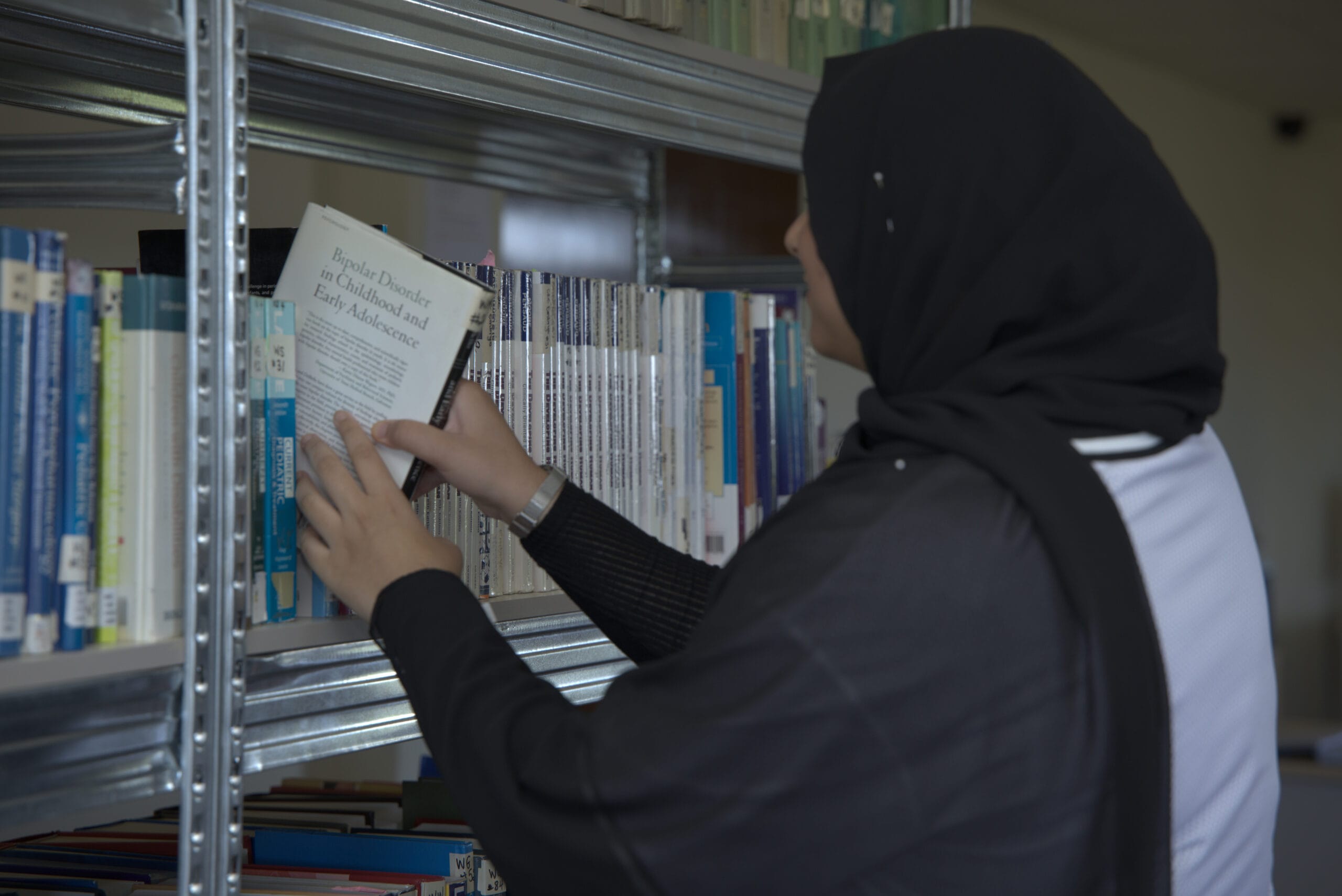
Preparing for medical school begins with honest self-assessment. Students should evaluate whether they have a solid understanding of the core sciences, whether their study methods encourage long-term learning, and whether they are comfortable managing demanding workloads independently.
It is equally valuable to identify areas requiring improvement. A weakness in chemistry, biology, academic writing, or time management can often be addressed before medical school begins through focused revision and structured practice.
Academic readiness is not about knowing everything before enrollment. It is about entering medical school with the confidence and learning skills needed to continue developing throughout the program.
Final Thoughts
Academic readiness for medical school extends well beyond admission requirements. It combines scientific knowledge, effective study habits, critical thinking, communication, and the ability to learn independently throughout a demanding professional program.
Although medical education follows different pathways in the United States, the United Kingdom, and the Caribbean, the expectations placed upon students remain remarkably similar. Every future physician must develop the ability to understand complex scientific concepts, evaluate evidence, solve problems, and continue learning throughout their career.
For New Anglia University, academic readiness represents an important part of preparing students for medical education. By strengthening foundational knowledge, developing effective learning strategies, and understanding the realities of medical study, prospective students can approach medical school with greater confidence and a stronger foundation for long-term success.
Frequently Asked Questions
1. What is academic readiness for medical school?
Academic readiness refers to having the knowledge, study skills, critical thinking ability, and independent learning habits needed to succeed in the demanding environment of medical school.
2. Which subjects should students focus on before medical school?
Biology, chemistry, physics, mathematics, and biochemistry provide the strongest academic foundation for future medical studies.
3. Is medical school preparation different in the US, UK, and Caribbean?
Admission pathways differ between these regions, but all medical schools expect students to have strong scientific knowledge, effective study habits, and the ability to apply information in clinical settings.
4. How can students improve their academic readiness?
Students can strengthen readiness by reviewing core sciences, adopting active learning techniques, practicing time management, and becoming comfortable reading scientific literature.
5. Is memorization enough to succeed in medical school?
No. While memorization is important, successful medical students must also understand concepts, think critically, evaluate evidence, and apply knowledge to clinical problems.